The short answer
A heat pump is a strong fit for Gardena homes because our mild winters and dry summers let one system handle both heating and cooling efficiently. Before you buy, confirm which utility serves your address, since rebate options differ, and note that the federal 25C tax credit does not apply to new installations after 2025.
If you're replacing an aging gas furnace, adding cooling to a home that never had it, or retiring a worn-out air conditioner, a heat pump can do both heating and cooling with one system. EverClime HVAC Contractor installs heat pumps for homeowners in Gardena, about 4 miles southwest of our Los Angeles base, in ZIP codes 90247 and 90249. This page covers what matters for a Gardena install: sizing for local weather, how rebates depend on your electric utility, and how regional furnace rules can affect your timing.
Why Heat Pumps Suit Gardena Homes
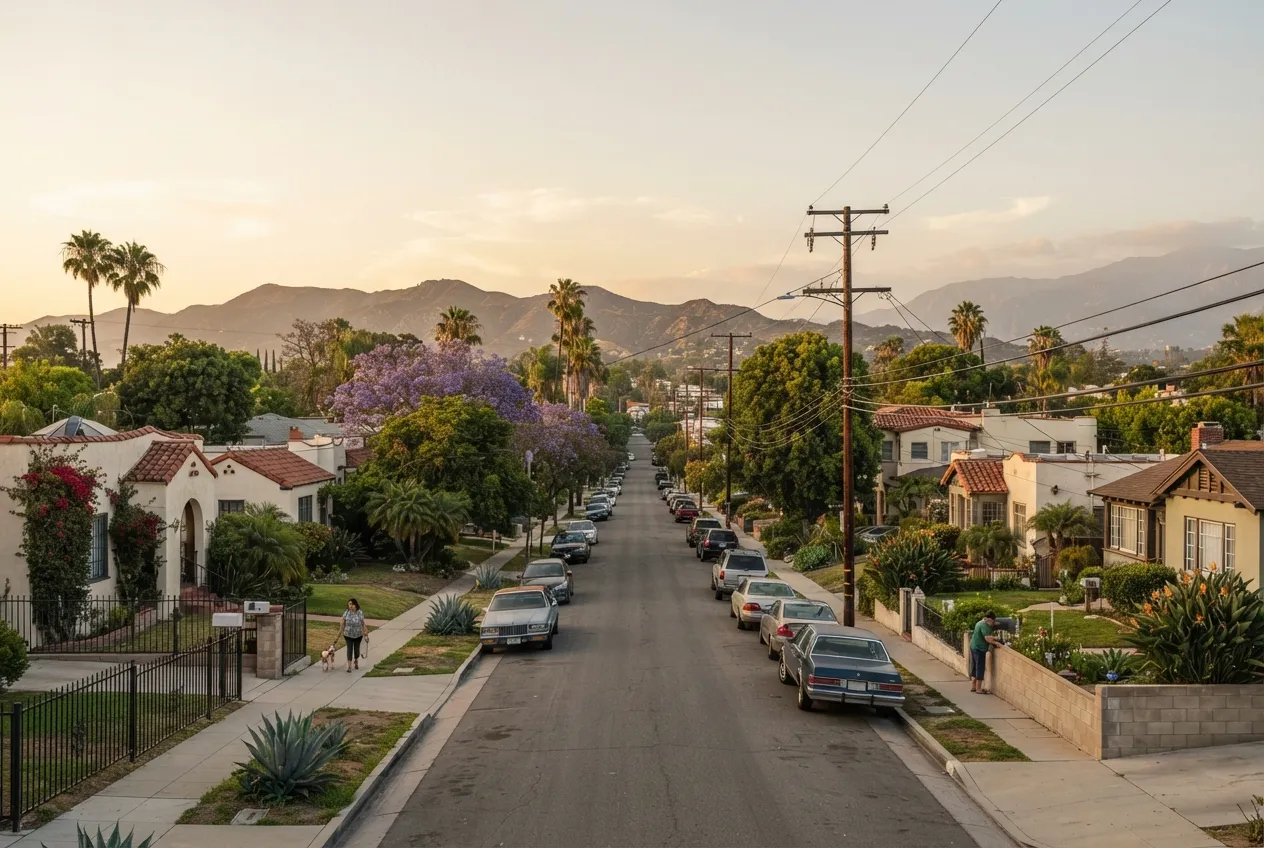
Los Angeles has a Mediterranean climate with dry summers and mild winters. A heat pump works best when it isn't pushing against deep cold, and Gardena winters rarely ask that of it. The same unit runs in reverse during summer to cool the house, so you have one outdoor unit and one indoor system to maintain instead of a separate furnace and AC.
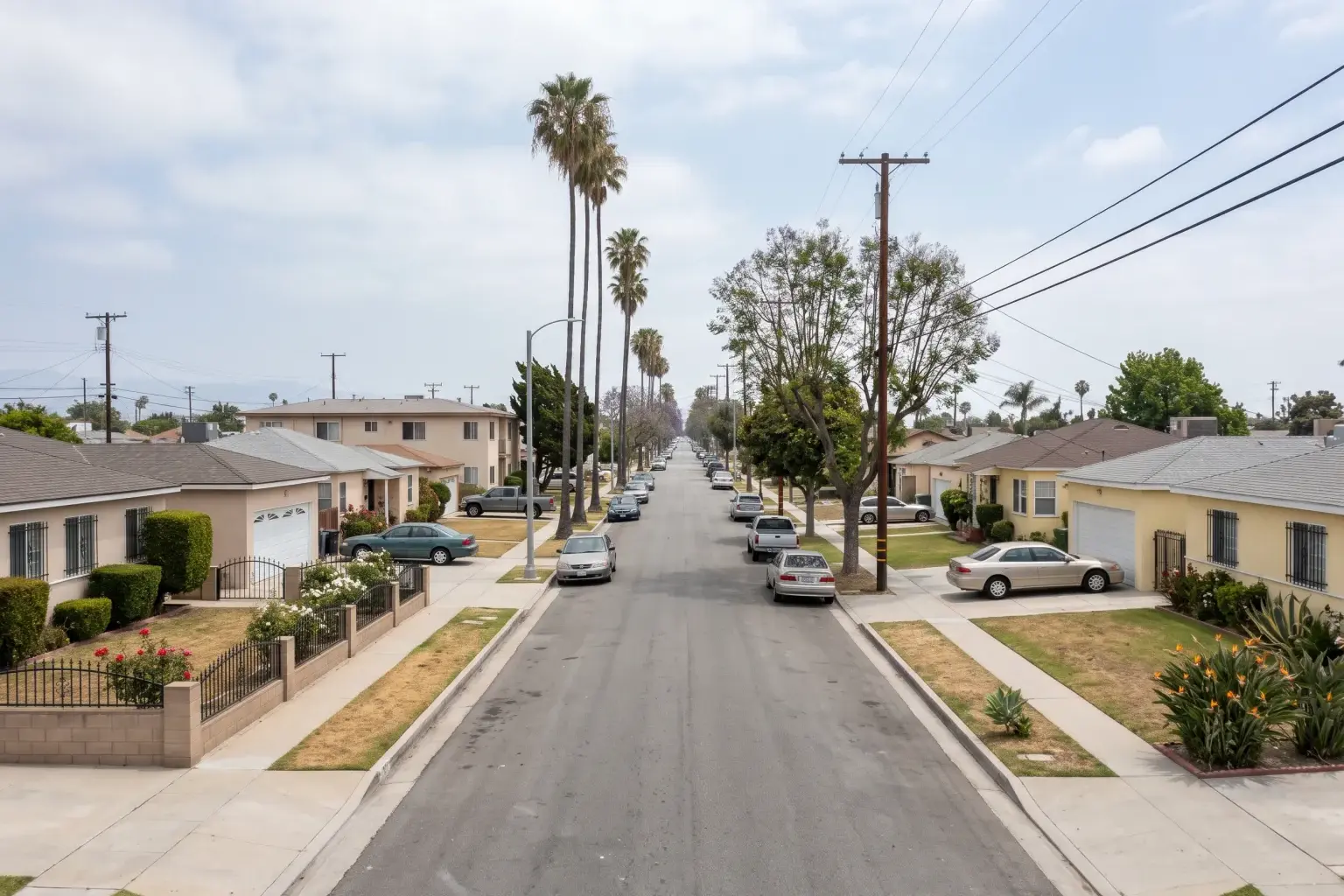
Gardena sits in the South Bay, closer to the ocean than the valleys, so summers here usually run milder than in hotter inland neighborhoods. That doesn't mean you can undersize the system. Fall Santa Ana winds can bring hot, dry spells, and a heat pump sized only for an average day can struggle to keep up during them. We size for the hot stretches as well as the typical ones.
Sizing and Setup for Your House
We don't size a heat pump by copying the tonnage of the old equipment. Many older systems were oversized, undersized, or matched to a house that has since been remodeled. We look at the home as it is now and choose equipment to fit.
If your home has no ductwork, or you want to condition a garage conversion or addition, a ductless mini-split is often a cleaner option than adding ducts. We'll explain the tradeoffs for your layout.
- Room-by-room heating and cooling load, including windows, insulation, and sun exposure
- Condition and sizing of existing ductwork, plus any leaks worth sealing first
- Electrical panel capacity and whether a new circuit is needed
- Outdoor unit placement that respects side-yard clearance, noise, and airflow
- Thermostat compatibility and room for future controls
Rebates Depend on Your Utility
Gardena is outside the City of Los Angeles, and many homes outside the city are served by Southern California Edison rather than LADWP. Rebates for heat pump equipment depend on the utility that serves your specific address, so that's the first thing we check. We confirm the current offer before quoting it, rather than assuming a program applies.
If your address is served by LADWP, residential customers can apply for Consumer Rebate Program rebates on qualifying heat pump systems. The amount is based on the unit's SEER2 and HSPF2 ratings, and you apply after the equipment is purchased and installed, within 12 months of purchase. Keep your paperwork.
One change to plan around: the federal Energy Efficient Home Improvement Credit (25C) covered qualifying heat pumps placed in service before December 31, 2025. It is not available for installations after that date, so don't count on it in your budget.
Replacing a Gas Furnace? Check the Regional Rule
South Coast AQMD Rule 1111 limits NOx emissions from natural-gas fan-type central furnaces sold and installed in the Los Angeles region, and the district has been amending it toward zero-emission requirements. The district sets and revises the compliance dates, so check the current version of the rule before you commit to another gas furnace. For many Gardena homeowners, that review is what makes a heat pump worth a closer look, and we're happy to walk through both options.
What Installation Looks Like
Most installs follow the same basic sequence, though ductless systems and electrical upgrades can change the details.
- In-home assessment and load calculation
- Written equipment recommendation and scope of work
- Removal of old equipment and refrigerant recovery
- Setting the outdoor unit, indoor coil or air handler, and line set
- Electrical connections and thermostat setup
- Startup, airflow and refrigerant checks, and a walkthrough of how to use the system