
The short answer
You likely need duct cleaning if you see dust blowing from vents, notice musty smells when the system runs, find signs of pests or mold, or just finished a remodel. EverClime inspects your ducts first, then cleans, repairs, or recommends replacement based on what we actually find.
The ducts behind your walls and ceilings carry all the air your heating and cooling system moves. Over time they collect dust, construction debris, pet hair, and sometimes pests, and their joints and seams can loosen or tear. In Los Angeles, dry summers, fall Santa Ana winds, and long cooling seasons in the valleys keep systems running hard, so buildup and damage can show up sooner than you might expect. EverClime cleans, inspects, and repairs duct systems for homeowners across Los Angeles and nearby cities, and we tell you plainly what we find.
Signs Your Ducts Need Cleaning
Not every home needs routine duct cleaning. Many systems run fine for years with nothing more than regular filter changes. But certain signs point to a problem worth checking.
Uneven room temperatures and fast-clogging filters often point to leaks or damaged ducts rather than dirt alone, which is why we inspect before we clean. After a Santa Ana wind event or a nearby wildfire, fine dust and ash can also get pulled into return vents, especially in older homes with gaps around the return grilles.
- Visible dust or debris blowing out of supply registers when the system starts
- Dust settling on furniture again within a day or two of cleaning
- Musty or stale smells that get stronger when the heat or AC runs
- Signs of rodents or insects, such as droppings, nesting material, or chewed duct liner
- Visible mold on duct surfaces, registers, or near the air handler
- Recent remodeling, drywall work, or a fire that left dust or soot in the home
- Rooms that stay noticeably warmer or cooler than the rest of the house
- Filters that clog much faster than they used to
What We Check During an Inspection
Every visit starts with an inspection so we can recommend the right work, not just more work. We look at the whole air path, from the return grilles back through the air handler and out to each supply register.
If we find mold, we explain what we see and what it would take to address the source, such as condensation or a drainage problem, so it doesn't simply come back after cleaning.
- Return and supply grilles, and how well they seal to the wall or ceiling
- Duct interiors, using a camera where we can't see directly
- Flex duct runs in the attic or crawlspace for kinks, sags, crushing, and torn outer jackets
- Joints, collars, and plenum connections for gaps, failed tape, or separated sections
- Insulation on ducts that run through hot attics
- Signs of moisture, mold, or pest activity
- Filter size and fit, plus the condition of the blower and evaporator coil
Repair vs. Replace: Your Options
Cleaning only helps if the ducts themselves are sound. When they aren't, you have a few options, and we walk through each one with you.
Repair makes sense when the damage is limited: a disconnected run, a torn section of flex duct, leaking joints, or a crushed line in one part of the attic. We can reconnect and reseal joints with mastic or suitable foil tape, replace individual runs, and add proper support to fix sagging duct.
Replacement is usually the better choice when ducts are brittle, torn in many places, poorly insulated, contaminated by pests throughout, or the wrong size for your system. Many older Los Angeles homes have duct systems that were added to or modified piecemeal over the years. In hotter inland neighborhoods and valleys, leaky, under-insulated ducts in the attic can waste cooling you're paying for and leave rooms uncomfortable.
If you're also planning to replace your furnace or switch to a heat pump, it often makes sense to evaluate the ducts at the same time, since a new system may need different airflow. LADWP electric customers may be able to apply for a rebate on a qualifying heat pump system after it's installed, while homes served by Southern California Edison have different programs, so we confirm what applies to your address before quoting anything. Gas furnace replacements in the region also fall under South Coast AQMD emission rules that are being revised, so we check the current requirements before recommending equipment.
What Affects the Cost
We give you a written estimate after the inspection, so you know the scope before any work begins. The main factors are:
If replacement is on the table, the length and layout of the new duct system, the insulation level, and any changes to vent locations also affect the total.
- Size of the home and the number of supply and return vents
- How easy the ducts are to reach, such as attic height, crawlspace clearance, or ducts inside walls and soffits
- Amount and type of buildup, including construction debris, pest contamination, or mold
- Duct material, since flex duct, sheet metal, and duct board are cleaned differently
- Repairs found during the inspection, like resealing joints or replacing damaged runs
- Whether the blower, coil, or other equipment also needs cleaning
How a Duct Cleaning Visit Works
We start by asking what you've noticed and when the system was last serviced. Then we inspect the system, show you what we found, including camera images when they help, and explain your options before any work begins.
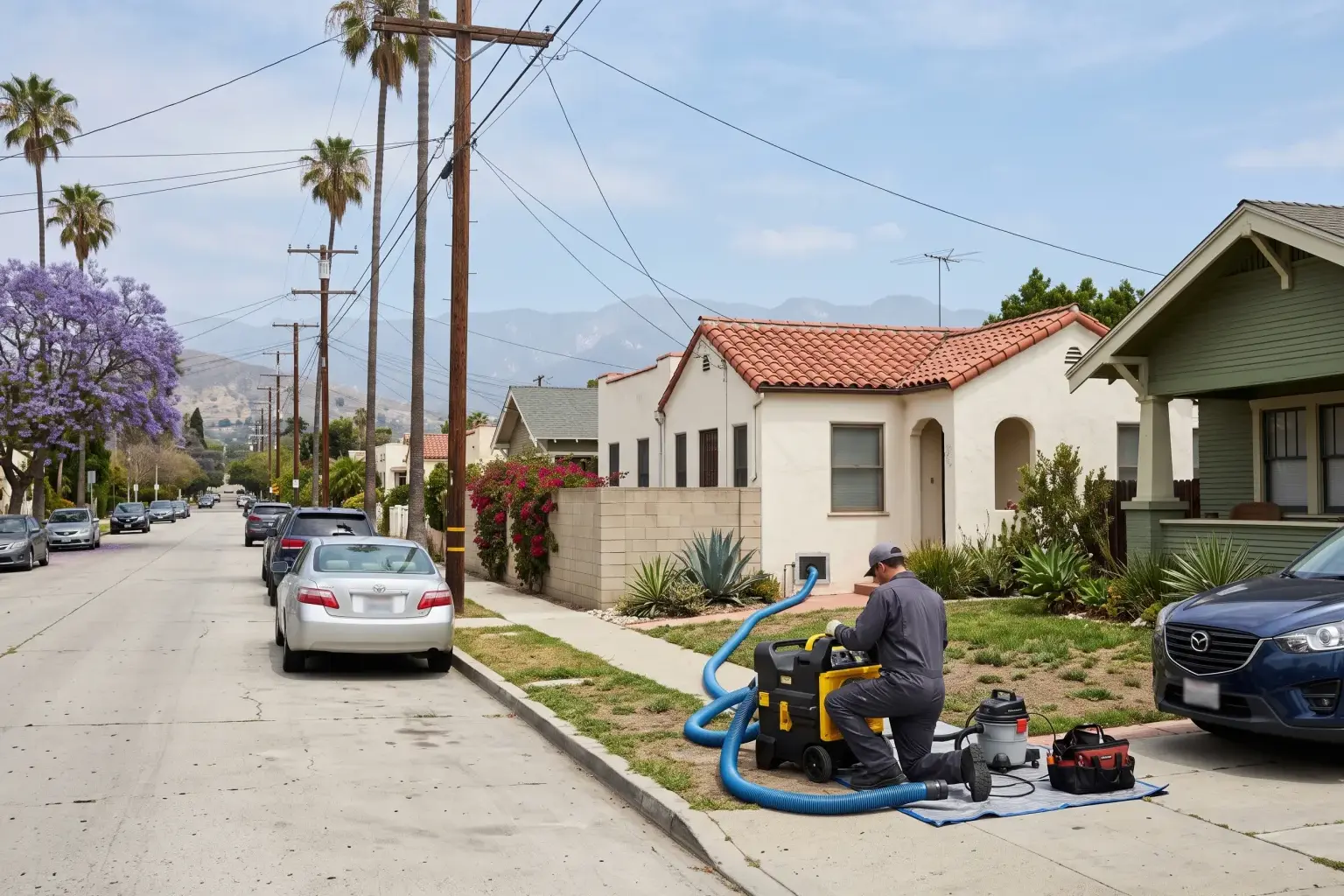
For cleaning, we protect floors and furniture near the work area and cover registers. We connect a high-powered vacuum to the duct system to keep it under negative pressure, then use brushes and air tools to loosen debris so it's pulled into the vacuum instead of into your rooms. We clean registers and grilles, and the blower and coil if they need it.
When we're done, we install a fresh filter, run the system, and check airflow at the registers. We go over what we did, point out anything that still needs attention, and share practical ways to keep the ducts cleaner, like changing filters on schedule and sealing gaps around return grilles.